Must-Have Supplies to Protect Your Items During a Move

Do you worry about your stuff getting broken or damaged during your upcoming move? It’s one of those things that homeowners tend to worry about despite their busy schedule of hiring movers, packing, and getting things prepared for the new address.

The good news is that you can take this one off the list because there are some easy ways to protect your items during a move that will make the odds highly unlikely of damage. From bubble wrap to furniture blankets, here is a look at the must-have packing supplies that you should pick up so that you don’t have to worry about your items during the move.

The essentials

Start with the essentials that you would need in any situation. This is going to be things like moving boxes, labels, permanent markers, and packing tape.

Talk to your professional movers in order to decide who will be doing the packing and if moving boxes or other containers are provided. You may want to upgrade to reusable containers for your move to ensure extra protection and to get something more eco-friendly.

If you already have some boxes, make sure you have enough in different sizes and durability since heavier items will go in smaller boxes and lighter items will go in the larger boxes. You’ll also need specialty boxes for things like art and televisions.

Next, make sure you have a clear way to label every box according to room and items inside. This will include markers and labels. Don’t forget packing tape which needs to be specific for packing, since packing tape is made with nylon fiber lining to reinforce bottoms of heavy boxes. Use clear plastic mailing tape to tape your labels on them so that you can still see them while protecting them from water. Lastly, pick up a basic tool kit to disassemble furniture or cut tape if you need to get back into a box.

essential moving supplies

Supplies for extra protection

Now you’ll want to start stocking up on the extra supplies that protect your items from damage. Start with stretch wrap which you’ll use to secure doors and drawers of furniture pieces like your cabinets and dressers. It works as a self-adhesive to itself without sticking to your furniture like a piece of tape would, and it leaves no residue behind. Next, get packing paper that you can use to stuff boxes and wrap your fragile items. Don’t use newspaper since the ink can leave stains.

You’ll love using bubble wrap during your move because it’s one of the easier ways to pad breakable items, while being affordable and easily available in large rolls. You can cut sheets as you need to line the bottoms of boxes. For items not going into a box, you’ll want to have blankets to protect furniture, mirrors, and other fragile items.

Get felt pads to protect the floors, rope or bungee cords to keep boxes and furniture in place, and a hand truck or dolly to move items carefully.

How to ensure a proper move

The best way to protect your items during the move is to hire a professional moving company to do the best job possible. They will know the best ways to protect your things, the safest ways to transport them, and they are trained to handle everything with care during the move out and the move in. Be sure to make this step your top priority for your upcoming move.

If you want to be sure you have the proper supplies to protect your items during your move, first hire a professional moving team, and then stock up on these supplies that will give you the best chances for success.

thepromove.com has a Shopper Approved rating of 4.8/5 based on 2433 ratings and reviews

4 Common Moving Disasters and How to Avoid Them

Dented walls from moving out furniture, broken dishes from improper packing, not being able to find anything because you didn’t label your boxes, and not getting proper insurance when you need to file a claim are all moving day disasters.

Are you guilty of making these moving mistakes in the past? You don’t want to be that person that realizes you skipped Moving 101 by forgetting to find out about these things in advance. When you want to have an easy moving experience, make sure you start by learning what not to do so that you can focus on what you should be doing. Take a look at the four common moving disasters that happen to families and how you can avoid them so that the big move is a successful one.

Forgetting to hire the moving company soon enough

The first rookie mistake that families make is trying to hire a local moving company at the last minute because they procrastinated. This is a classic moving mistake because you have so much to do that you are bound to procrastinate on something.

You should be planning ahead at least by one month if not more, especially when it comes to hiring your professional moving crew. This is the team that is going to protect your items during the move, make sure everything is moved efficiently on moving day and makes sure you are covered for things like where the truck will park to unload your belongings and how you will move those house plants without killing them.

Your professional moving crew will walk you through the whole process from where to get moving boxes to what time of day you should move out. If you do this last minute, you could have a crew that doesn’t know how to properly protect antiques, doesn’t call ahead to make sure a truck can fit on the street you’re moving to, shows up late or with no experience, or is actually a fake moving company that will take advantage of unknowing families that have actually hired crooks.

A professional moving company will ensure they can move all of your belongings, will protect your house from damage in the process, and will bring the right equipment for the job.

Not packing properly or labeling boxes

The next mistake to avoid is improper packing and not labeled well. Did you pack a large box with your whole library of books that will hurt someone’s back? Did you try to pack breakables with other items carelessly into a box that will bang around in the moving truck and shatter? Did you get old boxes that are in poor shape and try to pack lampshades and dinner plates that need more support?

It’s important to pack properly with heavy items in small boxes for a manageable transport, sturdy boxes for your malleable items, and everything packed into good quality boxes that aren’t about to cave in. Then, labeling items with the contents and the room they belong in, rather than just the word “fragile,” will ensure that you can find the things you need when you arrive at the new house. You don’t want to arrive at the destination and not know where to find the first aid kit, the dog food, or bath towels.  

Trying to move your heavy furniture yourself

Hiring a professional moving company will help you to avoid beating up the house you just sold or the house you just bought when moving furniture and other bulky items. Those heavy couches and furniture pieces can easily bang up walls and corners, but your moving company will have the proper supplies to make sure everything is well protected from the floors to the walls and the staircases.

Not getting the insurance you need

Lastly, don’t forget to look closely at that moving insurance policy. You may avoid buying it altogether or try to get a cheap coverage plan but then you are in a rut when you need to make a claim on a piece of artwork or family antiques. It’s important to cover those fragile items that are worth a significant amount of money and worry less about furniture from a department store that you put together yourself. Put your insurance focus on your high-dollar or sentimental items.

Avoid these common moving disasters by planning ahead, getting proper moving insurance, and taking plenty of time to pack and inventory your items for a successful moving day experience.

Moving day is stressful as evident by this woman with her hands on her head in between boxes
thepromove.com has a Shopper Approved rating of 4.8/5 based on 2433 ratings and reviews

How to protect walls when moving

When it comes to moving day, your biggest concerns are likely about something happening to your stuff or something happening to the house you’re moving out of that day. That’s because many times, furniture and heavy items can bump your walls and cause damage to a house that you’ve already sold.

On the other hand, you may be worried about damage to the walls of your new home you just purchased and the work and money that would go into repairs. The good news is that you can take some precautions to greatly reduce the likelihood of damage. Take a look at the best ways to protect your walls during your move.

Protect your walls

There are different ways to go about protecting your walls during the move. The simplest way to start is to make sure everyone is wearing proper attire, with things like loose chains, large zippers, and large rings removed to avoid something rubbing up against a fragile surface. Wrap the items you’ll be moving out and into the new place with proper plastic, shrink wrap, padding, and soft fabrics to avoid damage if something rubs up again your walls. 

Next, contact your local Chicago moving company or pick up your own supplies that would help cover the walls before the move. You’ll find that cardboard or Masonite is a great solution for protecting the walls. You can also try furniture pads, especially for areas like the stairs or underneath banisters, since these are easy to hang and drape.

Another way to protect your walls during the move is to cover the walls in drop-cloths that will help prevent scratches during the move. Sharp corners will need extra padding to avoid marks on the walls while you’re moving out items like the bed frame or the armoire. Consider other options like cardboard, wooden boards, or bubble wrap for wall protection in narrow rooms. Even brown paper grocery bags on the walls will work and will save you some cash if you already own them.

Make sure everyone is taking plenty of time to move heavy or large furniture, especially when going through doorways. You’ll want to measure the areas you are taking them through and have enough movers to help with awkward and heavy items.

Sometimes dismantling an item is the best plan of attack and using proper equipment to assist you with the moving process. Make sure any items that can be slippery are not dirty or wet to avoid dropping it or slipping, such as kitchen appliances and pack away your fragile items in advance. Then, make sure your pathway is clear of debris, rugs, and mats.

Don’t forget your carpets and floors

Plastic protecting floors during a move

One area you may have forgotten to address is your carpets and floors. Make sure you’ve applied some self-adhesive plastic covering to your carpets to keep clean of dirty shoes, tears, or spills, and then protect the hardwood floors with cardboard or felt to avoid denting or scratching. You can also use rug-runners over hard floors and Masonite boards over carpets.

While you may be most concerned about protecting your household goods and don’t want to spend additional money to protect your walls and floors, you may want to give this area more thought.

Consider the difference in costs between adding safety precautions to the home you’re moving out of and moving into, versus the cost of repairing the walls, the carpets, or the floors. Protecting your home may be one of the best investments you make when it comes to your upcoming move. Use these tips to properly prepare for your move so that you are not left with a repair bill afterward.

thepromove.com has a Shopper Approved rating of 4.8/5 based on 2433 ratings and reviews

Top 7 Tips for Moving with Your Cats

For those moving, the process can be overwhelming, but it’s even more so if you’re traveling with pets. For cat owners, making the big move needs to be done with consideration about the health and safety of your furry one with things like a proper pet carrier and trying to keep up feeding routines. Your cats will find a move stressful, but you can make it a calm experience by using a few strategies. Take a look at these 7 tips for moving with cats.

Maintain routine

The simplest way to make a smooth move with cats is to maintain your current routines. This means that your feeding schedule remains unchanged, habits throughout the day continue, and you maintain the same level of attention you normally would. When your cat notices even the slightest of alterations in the routine or their surroundings, they will start to get stressed. Even if things change on a moving day with the feedings or playtimes, you can maintain the routine every day before then for the best results.

Lower the stress

Your cat will be looking to you for guidance and reassurance. Be sure to keep your cat calm by being the constant they need during all of this change. Be sure to speak to your cat, keep strangers away from him or her, and keep a calm demeanor around the cat as to not frighten your cat further. This means that no use of a distressed tone of voice or allowing your moving company to pet the cat when he or she is easily frightened.

Get a pet carrier prepared

You’ll want to start training your furry ones to get used to a pet carrier now. Cats need a little more security and protection during a move compared to dogs, which makes a pet carrier the perfect solution. Make sure it’s large enough that your pet can stand, lie down, and turn around easily. Make sure it’s made of solid materials like plastic or metal, you can latch the door, and that it has plenty of ventilation. Having them in a box is cute, but definitely not safe for your fur baby.

Cat in a Moving Box

Visit the vet

A checkup with the vet before your move is a great idea. You’ll want to ensure your cat is in great health and can handle a long drive or flight. Get a medical check-up, a copy of your cat’s vet records, and ask for any tips from your vet about how to keep your cat happy and healthy for the move.

Moving day safety

On the day of the move, you’ll want to make it a smooth transition. You can want to have a friend or neighbor keep your pet during the day or designate a room where your cat can have distance from all of the moving activity that no one will enter. Your cat may want to retreat to the pet carrier for safety. Have a bag of essentials in the car like water, a favorite blanket, and food. Some anti-anxiety medicine from your vet may come in handy.

Acclimating after the move

Once you’ve arrived to your new home, make a designated room for your cat to acclimate with familiar food, toys, a bed, and a litter box. Once your cat has gotten used to the room, it will be a better experience allowing your cat into the rest of the house.

Watch for signs of depression

Lastly, watch for signs of feline depression. If your cat’s behavior includes aggression, excessive sleep, or loss of appetite, these may be signs that your cat has feline depression. Talk to your new vet about the symptoms and consider a pet-sitter for when you’re away.

Don’t worry so much about your upcoming moving day with your furry little ones. After you’ve hired the moving crew to handle your family’s belongings, take these steps to ensure your cat will have a successful moving experience too.

thepromove.com has a Shopper Approved rating of 4.8/5 based on 2433 ratings and reviews

Proper Lifting Techniques Used by Professional Movers

When you hire The Professionals Moving Specialists, you don't have to worry using proper lifting techniques. Professional movers know how to use the right techniques to avoid injury and to get the job done quickly. Here's a look at some of the proper lifting techniques professional movers use when moving a home or business.

how to pick up heavy items.jpg

Start with a Plan

Putting together a plan for moving is vital to the success of the move. Before anything is lifted and moved into the truck on moving day, it's important to have a plan. Professional movers do this every single day and they always take the time to have a plan before they lift one single item.

Stretching before Lifting

It's important to stretch before lifting. If you were to go to the gym, you'd likely stretch as a part of your warm up before you start your full workout. Lifting is much like a workout and stretching first goes a long way to prevent injury.

Know What You're Lifting

Professional movers are very experienced and they don't move something without knowing what they are lifting. Even if it's boxed up, they know what's in the box; if it's fragile and how heavy the item is before they try to lift it.

Using the Proper Stance

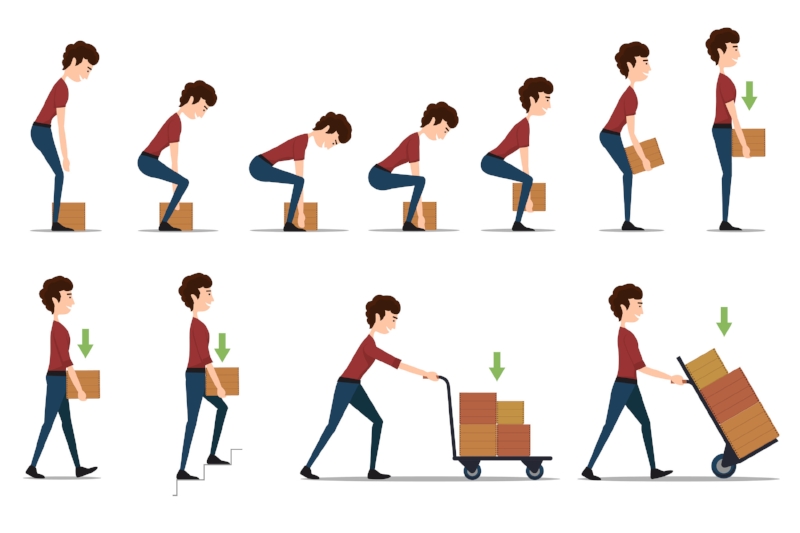
Moving anything heavy requires the right stance before lifting. An athletic stance with your feet shoulder width apart is best. One foot should be just a bit further forward than the other, as well.

Bending with Your Knees, not Your Back

The fastest way to become injured is to lift with your back. This would be the wrong lifting technique. Professional movers will bend at the knees to protect their back. In addition, they will keep their back straight, shoulders back, chest out and eyes ahead while they are lifting and moving heavy objects.

Not in a Hurry

While professional movers want to get the job done on time, they won't be in a hurry when lifting and moving items into the truck or out of the truck. Instead, they will take the proper amount of time to move everything safely without injury to themselves or harming your precious possessions.

In addition, professional movers slowly lift with their legs as they keep their back straight during the process. By lifting slowly, movers can help to prevent injury, which could lead to harming your things.

Take Small Steps and Communicate

When you hire professional movers for your residential move, you will notice they take small steps when moving heavy items. They will also communicate with each other to ensure items are moved properly without injury. It's especially important to communicate when two people are moving a larger object together.

Moving can be dangerous. Without the proper lifting techniques, trying to move on your own could lead to injury. At the very least, you'll end up rather exhausted. There's no reason to risk it. Hire a professional moving company for your move and you'll ensure all your items are lifted and moved with the proper techniques.

thepromove.com has a Shopper Approved rating of 4.8/5 based on 2433 ratings and reviews